Power Quality Audit
All equipment in a building – be it a conveyor belt in an industrial complex, a server in an IT park or an imaging machine in a hospital – hinges on one intangible ingredient: stable, clean electricity. We refer to this as power quality.
Power quality is something more than “having power.” It’s providing electricity at the correct voltage, frequency and waveform so that equipment functions precisely as intended. When those parameters wander even a little bit, issues begin to appear. Lights flicker, motors overheat and sensitive electronics inexplicably fail without any warning.
The expenses all add up in a rush. A momentary voltage sag can shut down an entire production line and cause hours of lost time. A hidden harmonic disturbance can shorten the life of motors and transformers, requiring costly premature replacements. Even minor inefficiencies add up month after month in increased energy consumption.
At Indona Innovative Solutions, we assist businesses in protecting this unseen backbone. Simply put, our mission is to ensure the electricity you pay for shows up in the state your equipment requires – consistently, safely and efficiently.
Where Power Quality Fails ?
Power quality problems don’t always declare themselves with sparks or alarms. Instead, they whisper until the damage is finished. Below are the most prevalent offenders and the reasons why they are important.
Harmonic Distortion
Modern buildings use technologies like variable-speed drives, UPS systems and LED lighting that draw current in pulses rather than smooth waves. This creates harmonics - high-frequency distortions that deform the sine wave leading to overheating of transformers, nuisance tripping of breakers and energy losses. IEEE 519 establishes guidelines for measuring and controlling current and voltage harmonics in power systems. It defines limits at the Point of Common Coupling (PCC) - the interface between the utility supply and the facility - to minimize the impact of non-linear loads. The standard specifies permissible levels for Total Harmonic Distortion (THD) and individual harmonics, ensuring efficient, safe and reliable power system operation.
Voltage Swells and Dips
Voltage swells (surges) or dips (sags) due to sudden voltage changes caused by large machinery startup or shutdown, grid perturbations or lightning strikes can be devastating. Sensitive electronics - PLCs to servers are especially susceptible. One occurrence corrupts data or halts a production line during shift. Millisecond-duration interruptions can crash computers or interrupt automated processes. Voltage flicker, the observable fluctuation of light brightness is more than a nuisance - it indicates instability that stresses motors and other equipment.
Unbalanced Loads
Three-phase systems function optimally when current is well distributed across phases. When loads are unbalanced, you have excess neutral currents, wasted energy and hot-running and premature-failing motors. These disruptions don't only generate repair costs. They lower efficiency, raise energy losses and may cause utility penalties for energizing harmonic "noise" into the grid. In the long run, the financial and operational effect is much more expensive than the cost of prevention.
How Indona Innovative Solutions Performs a Power Quality Audit
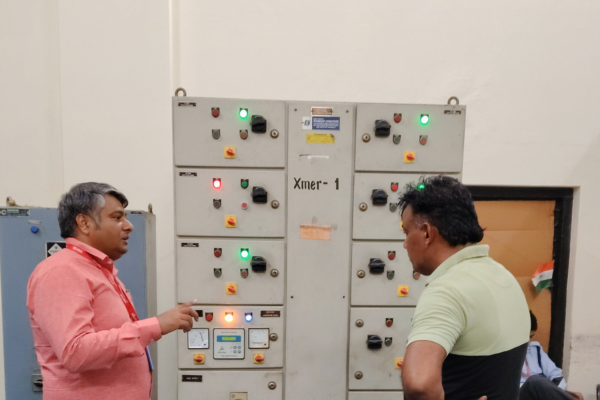
Step 1 – Discovery and Planning
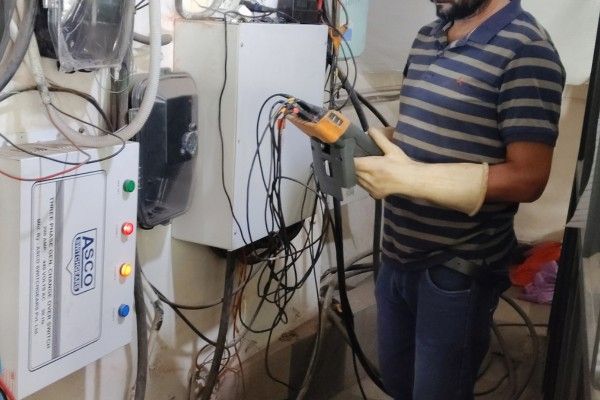
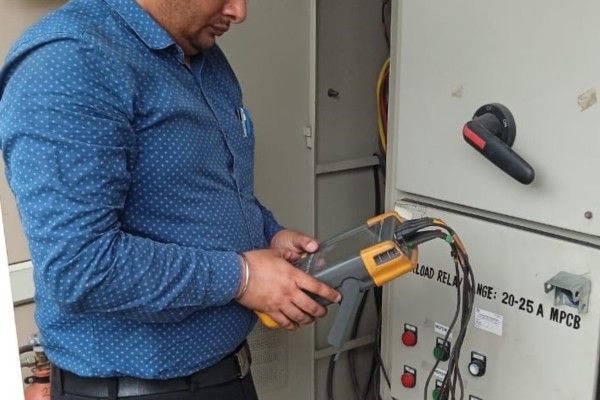
Step 2 – On-Site Monitoring
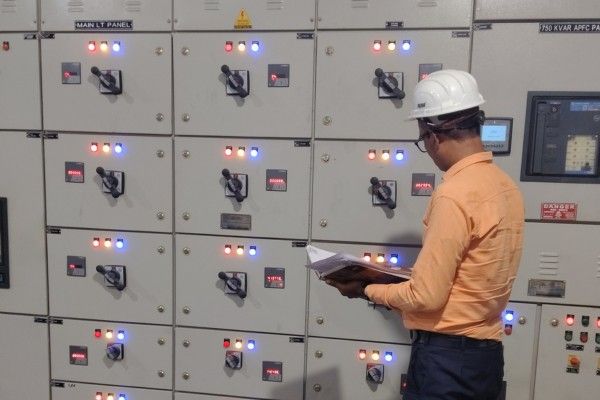
Step 3 – Data Analysis and Diagnosis
Step 4 – Actionable Recommendations
Step 5 – Implementation and Verification
Benefits of Improved Power Quality

Reduced Maintenance and Repair Costs
When equipment is used within correct electrical parameters, you save on emergency call-outs, spares and overtime for repairs. Maintenance crews can concentrate on programmed service instead of fighting fires.

Longer Equipment Life and Lower Replacement Costs
Voltage fluctuations, harmonics, and overheating behave as quiet stressors on motors, transformers, drives and computer equipment. Remedying these problems saves mechanical wear and heat damage, adding years to the life of expensive assets and pushing capital spending out.

Sensitive Electronics Protection
Contemporary operations depend on fragile equipment: PLCs, servers, medical devices, accuracy sensors. These devices need to be powered by stable voltage in order to function correctly. Clean power prevents data corruption, erratic sensor readings and early component failure.
Major Energy Savings
Balanced loads and clean waveforms lower wasted energy. Even small percentages of efficiency amount to considerable savings on monthly electricity bills - cash that directly goes back into your bottom line or growth programs.

Reduced Breakdowns and Surprise Shutdowns
Poor power can stall motors, trip breakers and sensitive electronics crash without notice. Each occurrence means production halts, orders are late and employees rush to get back online. With superior power, your equipment operates smoothly, maintaining schedule and making customers happy.

Enhanced Workplace Safety and Comfort
Fewer overheating cables and unexpected shutdowns provide a safer working environment for employees. Removing flicker and voltage instability also enhances the quality of lighting, eliminating eye fatigue and increasing employee comfort and productivity.

Increased Reliability for Critical Processes
Pharmaceuticals, IT and food processing industries cannot risk down time. Reliable power guarantees that critical processes such as clean-room use, data center up time and cold storage - operate continuously without expensive interruptions or loss of product.

Conformity to Utility and Regulatory Requirements
Utilities tend to charge facilities that return harmonic distortion or bad power factor back to the grid. Good power quality ensures that you remain in conformity with regional laws, escaping penalties and enhancing your image as an environmentally conscious operation.

Clearly Visible Return on Investment
When you calculate reduced energy bills, saved penalties, longer equipment life and reduced production stoppages, the payback is attractive. Our clients in many cases pay back the cost of an audit and remedial action within one year and save for many years to come.
Frequently Asked Questions
It's an extensive analysis of your electrical system to monitor voltage stability, harmonic distortion and other important parameters. We detect concealed problems and offer a priority plan for corrective action.
Warning signs are frequently tripping breakers, overheating equipment, flickering lights, mysterious data loss or unexpected increases in electricity costs without increased manufacturing.
No. Our measurement equipment operates quietly while your plant operates normally. Most audits take two to five days of on-site measurements with analysis time.
Typical solutions involve harmonic filters, surge protectors, power factor correction, better grounding and balanced load sharing. Every plan is customized based on the specific results.
Numerous clients return their investment within a few months in the form of less downtime, reduced energy loss and extended equipment lifespan.
Need professional consultation?
Get in touch! We are looking forward to start a new association.