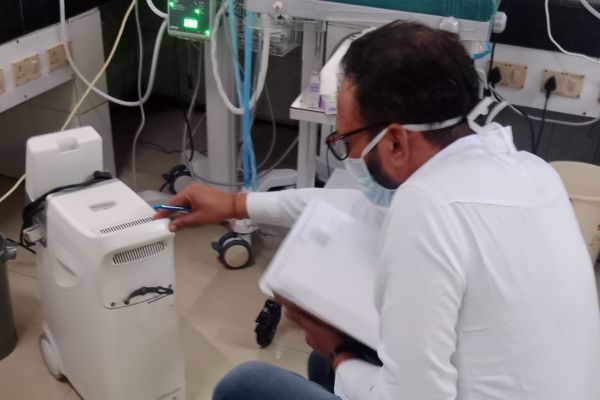
Electrical Safety Audit
Electricity is the invisible engine of our modern world. Factories, offices, schools – all depend on it. Yet any lapses in the safety of electrical installations can have devastating consequences, ranging from fires and equipment damage to injury or even loss of life. In India, electrical incidents continue to contribute to large numbers of accidents each year. This is not just about compliance – it’s about protecting people, assets and business continuity.
An Electrical safety audit in India is more than checking wires – it’s a thorough review of systems to ensure installations are safe for continued use. It identifies incipient faults, non-compliance with laws and codes, environmental risks and safety gaps so corrective action can be taken before disaster strikes.
For industrial, commercial and educational institutions alike, a robust safety audit builds confidence – among stakeholders, employees, regulators – that you are serious about safe operations.
When you engage in industrial electrical safety audit India or commercial building electrical audit India or even review the wiring in educational institutions, you are investing in resilience. You are reducing liability, improving reliability of operations and creating safer environments. After two decades working in this domain, Indona Innovative Solutions sees time and again: the cost of ignoring safety far exceeds the cost of a well‐done audit.
Standards, Scope & What We Inspect
Design & Documentation Review
Comprehensive assessment of single-line diagrams, load calculations, cable sizing and protection coordination to ensure the system is designed in accordance with applicable standards and capable of handling operational demands safely.
Installation Verification & Visual Inspection
Detailed verification of actual installations against approved drawings, combined with thorough visual inspection of cables, panels, switchgear and wiring to identify deviations, damage, overheating, loose connections and poor installation practices.
Earthing, Bonding & Electrical Testing
Evaluation of earthing and bonding systems along with instrument-based testing such as insulation resistance, earth resistance, polarity, phase sequence and voltage drop to determine system health and safety.
Protection System Assessment
Inspection and functional testing of protective devices including MCBs, MCCBs, ELCBs/RCCBs and relays to ensure correct ratings, proper coordination and reliable operation without bypassing or tampering.
Fire & Operational Safety Review
Assessment of fire risks, including proximity of combustible materials, sealing of ducts to prevent fire spread, panel accessibility, ventilation, safety signage and adherence to safe operational practices.
Lighting, Utilities & Risk Analysis
Evaluation of lighting levels (lux), condition of sockets and outlets and overall usability of electrical systems. Includes identification of hazards, non-compliance issues and providing actionable recommendations for improved safety and performance.
A safety audit must rest on solid standards. In India, and in many cases internationally, these include the Indian Electricity Rules (1956, as amended), Electricity Act (2003), National Building Code, BIS standards (earthing, insulation, wiring) as well as globally respected codes like NFPA, IEC, IEEE. These frameworks guide what must be inspected, tested, documented and corrected.
National Electricity Code
National Electrical Code covers the requirements relating to electrical installations in specific occupancies. Code takes into account the stipulations in several Indian Standards dealing with the various aspects relating to electrical installation practice. Several product standards also exist, and compliance with relevant Indian Standards is desirable. The National Electrical Code covers the following:
Standard good practices for selection of various items of electrical equipment forming part of power systems.
Recommendations concerning safety and related matters in the wiring of electrical installations of buildings or industrial structures, promoting compatibility between such recommendations and those concerning the equipment installed.
General safety procedures and practices in electrical work.
Additional precautions to be taken for use of electrical equipment for special environmental conditions like explosive and active atmosphere.
Its provisions are expected to serve as a model for adoption in the interest of safety and economy and with the intent to keep our electrical installation practices at par with the best practices in the world.
Electrical safety audit mainly constitutes inspection and testing on site which come up with recommendation after data analysis. As directed by the Indian Electricity Rules-1956 (amendment 2000), Electrical installations should be subjected to periodic safety audits at regular intervals to identify the deformations in the installations, which impair safety. Generally, the audit frequency will depend on the nature and type of activities within each area of operation but should be carried out once each year, with more frequent inspections for specific areas or activities. Records of injury and damage accidents should be examined and use to identify high-risk areas and activities and consequently those needing more frequent inspection. Periodic inspection and testing of an electrical installation is an imperative activity, to maintain the Electrical systems in safe and healthy condition. Electrical Safety Audit provides the information about the following:
- Bypassing of fuses/ELCBs and Relay settings.
- Storage of combustible materials near the Electrical panels/UPS/Battery if any.
- Cables/ wires condition
- Non-compliance to codes/standards
- Earthling defects
- Sealing of ducts/voids to prevent fire propagation
- Damaged switch socket outlets
- Satisfactory presence of MCBs/MCCBs
- Lighting an Lux level in different areas
- Electrical Panel installations / locations / clearances
- Mismatch in the As built drawings and actual installations
Electrical Safety Audit mainly consists of visual inspection and review of electrical safety systems and verification of documents related to electrical safety at different stage. We are offering our services at different stages under Electrical Safety Audit as below:
- Review of proposed single line diagram for the premises.
- Physical visual inspection of various installations in premises with reference to the applicable Indian standards, Indian Electricity rules and design layout during Installation.
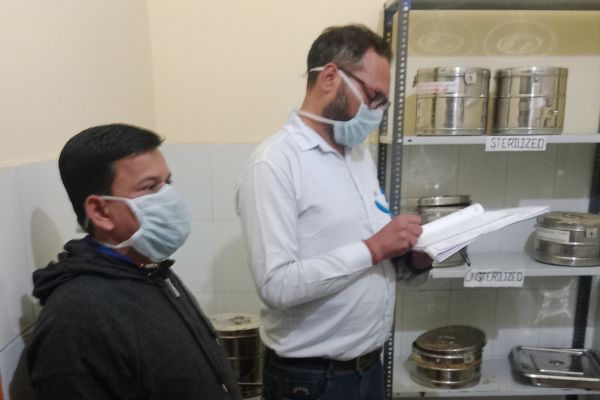
- Review of Electrical preventive maintenance program, examine the documentation, check lists, work permit, energy consumption recordings etc. once premises comes in operation.
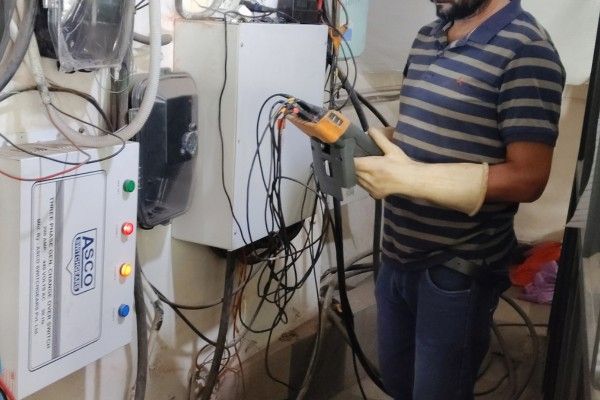
- Testing using various instruments to determine insulation resistance, polarity, phase sequence, earth resistance and residual current etc., as required to assess the condition of the installation.
- Helping in implementation of various recommendations addressed in Electrical Safety Audit Report.
- Expected Root Cause analysis if some accident happens.

We tailor each audit to your needs: whether it’s a commercial building electrical audit, industrial facility or educational institution electrical safety environment. Inspection frequency depends on risk – high demand systems, heavy loads or sensitive installations often need more frequent audits.
How We Conduct Electrical Safety Audits – Our Proven Process
Step 1: Pre-Audit Engagement & Planning
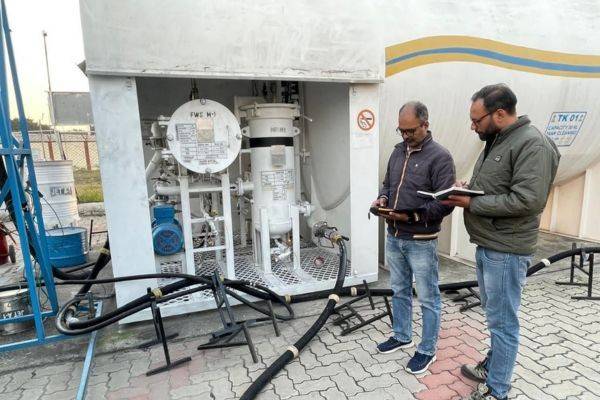
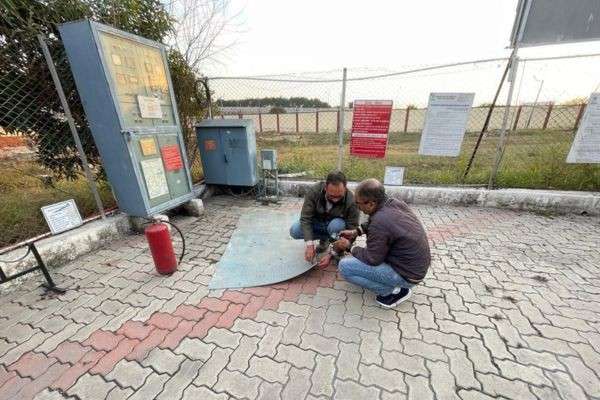
Step 2: Visual Inspection On-Site
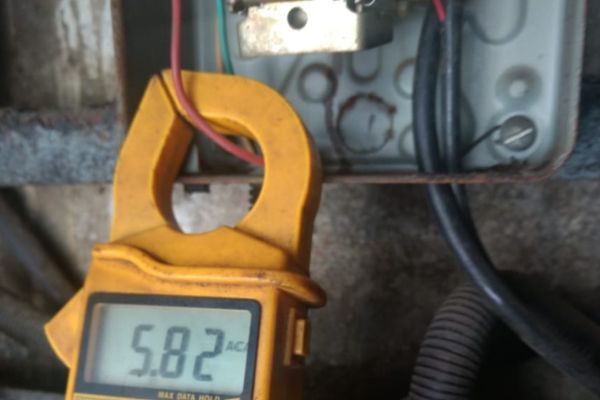
Step 3: Instrumented Testing & Measurements
Step 4: Data Analysis & Risk Prioritization
Step 5: Report with Recommendations
Step 6: Implementation Support & Follow-Up
Benefits of Having a Safety Audit

Preventing Accidents and Fire Hazards
Many electrical failures begin quietly - a loose joint, an overloaded cable, deteriorating insulation. A safety audit catches these before they ignite fires or cause shocks. For commercial buildings or educational institutions, this is about protecting lives.

Reducing Downtime and Business Disruptions
When systems fail unexpectedly, production or operations stop. For industries, downtime is expensive. A safety audit ensures that weak points are found in advance and maintenance can be scheduled, not emergency-reacted.

Legal Compliance and Regulatory Peace of Mind
In India, compliance with acts, rules and codes is legally required. Having documentation from an audit protects against penalties, aids insurance and demonstrates due diligence.

Longer Equipment Life & Lower Maintenance Costs
Components under stress degrade faster. Fixing protective relays, improving earthing, ensuring correct load distribution - all extend lifespan of assets like switchgear, motors, lighting, UPS etc.

Improving Employee and Stakeholder Confidence
A safe environment reduces anxiety for employees, students and customers. It builds reputational trust among stakeholders - owners, insurance, regulatory bodies.

Cost Savings Over Time
Upfront audit cost is modest compared to potential losses: property damage, equipment replacement, legal claims, insurance premiums. Many clients report recovering investment within a year or two after implementing high-priority audit recommendations.
FAQs
An audit is more comprehensive - it involves inspection, testing, documentation and recommendations. An inspection might just check visible conditions or compliance at a point in time. We offer both but audits give you deeper insight and risk prioritization.
For commercial buildings and educational institutions, at least once a year - more often if the building has high electrical load, frequent modifications or has seen incidents.
Yes, often. Classrooms, labs, dorms, shared equipment, frequent plug-in devices, student user behaviour all contribute to unique risk profiles. The audit helps ensure safety standards in those contexts.
Indian Electricity Rules (1956), Electricity Act (2003), CEA regulations, the National Building Code, BIS standards (earthing, wiring etc.) sometimes NFPA or IEC as additional benchmarks.
Mostly no. Visual inspections and many testings can be done while systems are operating. Only some tests that require isolation or when dealing with high voltage components may need planned shutdowns.
Costs depend on size, complexity, sector. Returns typically come via avoided failures, reduced insurance premiums, lower maintenance, less downtime. Many clients report recovering audit costs within 6-18 months after implementing high-priority fixes.
Need professional consultation?
Get in touch! We are looking forward to start a new association.