 Skip to content
Energy Audit
Energy expenses have emerged as a cause of concern for all kinds of facilities – residences, commercial establishments, industries, institutions due to the fact that the cost of electricity and fuels continues to go up, supply becomes less certain and environmental regulations are tighter than before. What most don’t know is that much of what we pay for energy is waste – inefficiency in equipment, lack of maintenance, inefficient operating schedules, leaky thermal systems and so on.
An energy audit is the formal review of how energy is consumed (and wasted) in a facility and it creates a baseline for use, identifies prime points of loss, measures them and makes tangible recommendations for minimizing waste and cost.
Aside from expense, there are wider forces driving audits higher on the agenda: regulatory compliance (particularly for large users of energy or “designated consumers” under the Indian Energy Conservation Act), corporate social responsibility and green image, expectations of stakeholders (shareholders, customers) and environmental footprint (carbon, emissions).
And meeting sustainability goals or renewable energy objectives is difficult without a clear understanding of your existing energy profile. In short, energy audit is no longer just a good practice – it’s often essential for staying competitive, legal and responsible.
Types of Energy Audits
Walk-Through / Preliminary Audit
The walk-through or initial audit is a rapid, budget-friendly assessment that is based on visual observation of the facility and limited instrumentation. The audit team uses readily available data about the operation and pinpoints glaring inefficiencies and identifies low-investment, simple measures typically referred to as "quick wins" that can be taken immediately to cut energy waste.
Detailed / Comprehensive Audit
A comprehensive or detailed audit provides a richer level of analysis, employing specialized tools like data loggers, sensors and thermal imaging equipment. This audit analyzes each key system - HVAC, motors, lighting, insulation and other key equipment via careful measurement and data acquisition. Through benchmarking performance, energy flow modeling and cost-versus-savings analysis, it provides a rich map for substantial energy conservation and efficiency gains.
Investment-Grade Audit
The investment-grade audit is the largest and most data-intensive, meant to be used for large-scale energy projects and capital investments. It involves rigorous risk analyses, life-cycle cost analyses and comprehensive financial justifications to assure the viability of sizable energy-saving measures. This type of audit is sometimes necessary when external financing or funding hinges on authenticated long-term savings as well as written performance guarantees.
Regulatory & Legal Landscape in India
The Energy Conservation Act, 2001 necessitates that “designated consumers” have audits performed by certified energy auditors. The designated consumers are industries such as Cement, Iron & Steel, Fertilizers, Aluminum, Paper & Pulp, Textile, Chlor-Alkali, Thermal Power Stations, Railways, etc. Further, some regulations lay down the audit frequency and types of reports to be submitted to government bodies.
The Energy Conservation Act, 2001
The Energy Conservation Act, 2001 is India’s primary legislation aimed at driving systematic energy efficiency across industries, buildings and equipment. Enacted by the Government of India, the Act establishes enforceable policies, compliance mechanisms and governance structures to reduce energy intensity and promote sustainable energy use nationwide.
This legislation empowers both Central and State authorities to regulate energy consumption through clearly defined obligations, technical standards and monitoring systems. It lays the groundwork for structured energy management by identifying energy-intensive sectors, mandating efficiency benchmarks and enabling market transformation through regulatory oversight.
Key regulatory pillars under the Act include:
- Mandatory energy efficiency obligations for identified high-consumption sectors
- Nationwide implementation of energy performance standards and appliance labeling
- Introduction of energy-efficient building norms for commercial and large residential developments
- Establishment of the Bureau of Energy Efficiency (BEE) as the apex technical authority
- Financial mechanisms to support and scale energy conservation initiatives
Effective from 1 March 2002, the Act has since guided India’s energy efficiency ecosystem through a combination of compulsory compliance requirements and voluntary best-practice frameworks. The 2010 amendment further strengthened the Act by expanding its scope, improving enforcement provisions and enabling wider adoption of energy efficiency measures across emerging sectors.
Today, the Energy Conservation Act serves as the regulatory backbone for energy audits, compliance assessments and efficiency improvement programs, making it a critical reference point for organizations seeking legal compliance and long-term energy optimization.
Current legislative amendments give stress not only to audit compliance but also energy efficiency standards, energy managers, consumption standards, energy monitoring and regular reporting. For instance, under the Act, in case norms are not complied with, specified consumers need to develop and put in place schemes for efficient utilization of energy and conservation. Further, the buildings need to be in accordance with Energy Conservation Building Codes (ECBC) and other relevant standards.
These regulations make sure that organizations can no longer just turn a blind eye to energy inefficiency – it is a legal, financial and reputational risk. Furthermore, early compliance typically provides cost advantages (reduced energy expenses, incentives, subsidies) and prevents fines or regulatory complications later.
Energy Audit Methodology
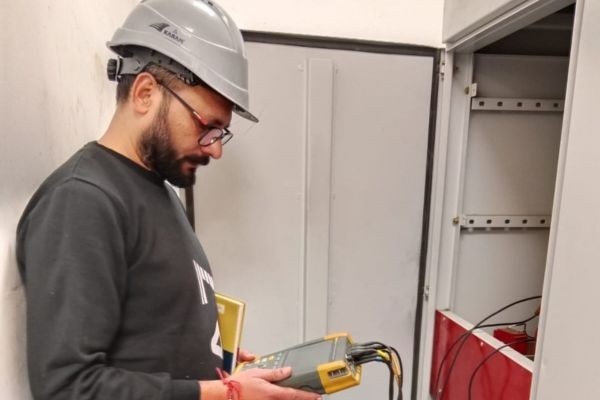
Step 1: Data Collection
Step 2: Field Studies
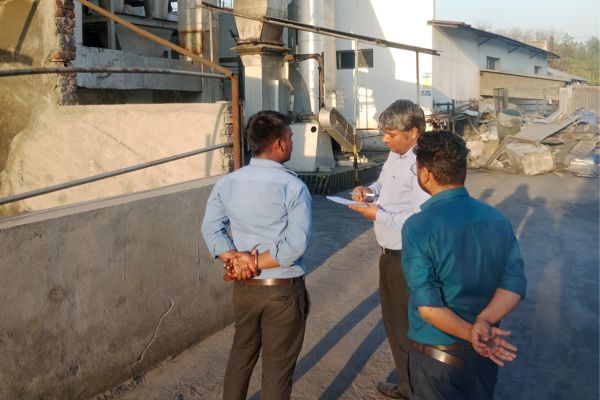
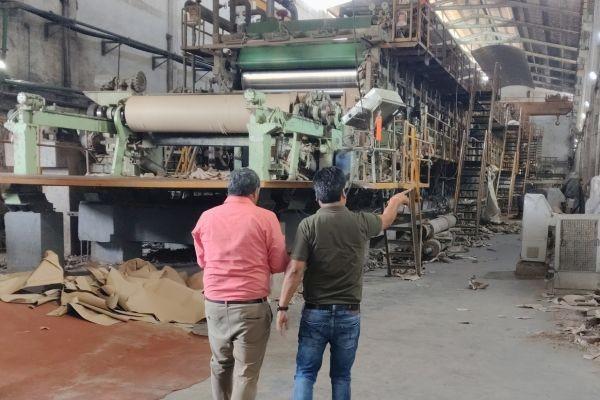
Step 3: Interactions with Stakeholders
Step 4: Preparation of Best Practices Manual and Monitoring & Verification Protocol

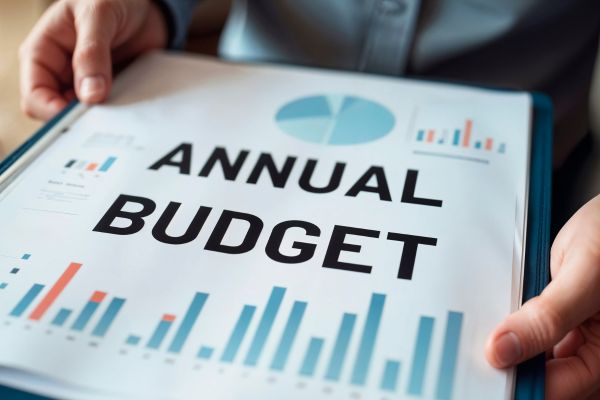
Step 5: Cost Benefit Analysis
Benefits of Energy Audit

Cost Savings
By fixing inefficiencies, replacing outdated equipment, improving power factor, reducing idle loads, substantial savings are possible, often 10-30% in many buildings or industrial plants.

Industrial Sector Savings
In a condiment industry audit, installing variable speed drives (VSDs) on motors and improving boilers delivered savings with payback periods often under 1 year. Improvements in power factor, load management etc. were also very effective.

Regulatory and Incentive Benefits
Meeting compliance under the Energy Conservation Act avoids legal risk. Also, government schemes and financing (via agencies like SIDBI or energy efficiency funds) often support audits and implementation of energy saving measures. Case studies show that MSMEs (micro, small & medium enterprises) can save large portions of energy consumption via relatively small investments.

Environmental & Sustainability Gains
Reduced carbon emissions, lower fuel usage, better compliance with environmental norms also helps in brand image, corporate responsibility, stakeholder trust.

Improved Operations & Maintenance
Regular audits often highlight maintenance issues, operational inefficiencies. Fixing those improves reliability, reduces downtime and extends equipment life.
FAQs
A: Under the Energy Conservation Act, 2001, “designated consumers” which include certain industries and large establishments in energy-intensive sectors (such as Cement, Iron & Steel, Aluminum, Fertilizers, Textiles, Chlor-Alkali, Railways, Paper & Pulp, Thermal Power Stations etc.) are legally required to have their energy audits done by certified auditors at specified intervals.
A: The Act and relevant regulations require audits at prescribed intervals (e.g. every 3 years in many cases) for designated consumers. There are also requirements for periodic reporting of energy consumption and action taken on audit findings.
A: Savings vary depending on how inefficient operations are to start with, the size and complexity of the facility and how many of the recommended measures are implemented. Case studies in India show savings of 10-30% in many commercial buildings, in industrial audits (e.g. condiment industries) similar or even higher savings for certain systems (motors, boilers etc.) with payback periods under one to a few years.
A: Cost depends on the size, complexity of facility, level of audit (preliminary vs detailed vs investment grade), instrumentation required etc. Return is usually through lowered energy bills, reduced maintenance and better operations. Many clients recover their cost within 1-2 years for moderate audits and quicker for implementation of simpler measures.
A: Key factors include: quality and accuracy of measurements, willingness of management to act, availability of funds, choosing appropriate equipment, good maintenance and operations, accurate baseline, monitoring & follow-up, training of staff. Without execution and verification, recommendations won’t translate fully to savings.
Need professional consultation?
Get in touch! We are looking forward to start a new association.
