Infrared Thermography
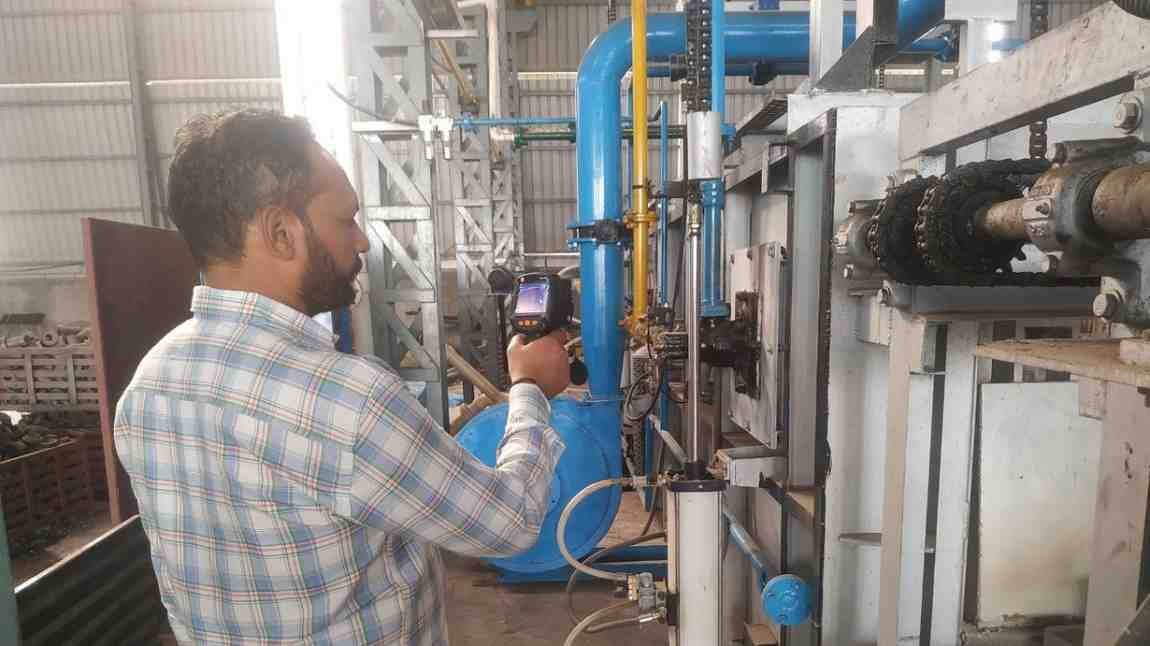
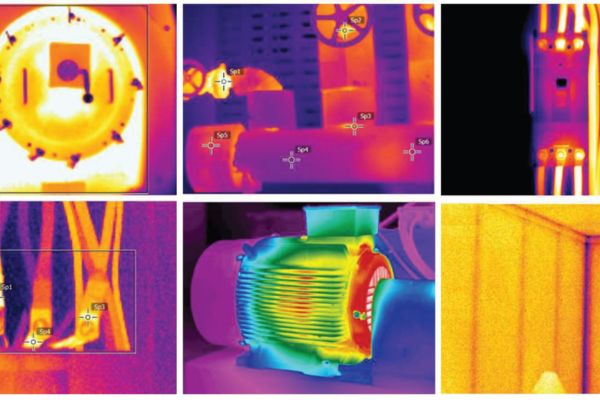
Every machine, every pipeline, every building facade has secrets hidden in the heat. Infrared thermography is the art and science of revealing those secrets – without touching anything. Using thermal imaging cameras, we detect infrared radiation (heat) emitted from surfaces, translate that into electrical signals and present it visually as thermal images or “thermograms.” What looks like a uniform surface in visible light may hide hotspots, moisture, insulation failure or electrical stress just waiting to cause trouble.
This non-contact, non-destructive diagnostic technology gives you the chance to see issues before they become failures. Think: a loose connection heating up inside an electrical panel, an overheating motor bearing, insulation that’s lost its effectiveness, or a cracked refractory lining in a furnace. These are troublemakers in silent mode – until they don’t stay silent.
At Indona Innovative Solutions, we believe thermography is more than technology – it’s preventive care. Just like a regular health checkup for machinery and infrastructure. It helps avoid costly breakdowns, improve safety and enhance energy efficiency. When you know the heat map of your systems, you can plan, you can prevent and you can perform with confidence.
Where Infrared Thermography Makes the Biggest Difference
Infrared thermography works best where heat, wear or inefficiency lurk beneath layers. Our services cover many areas – some you expect, some surprise. Here’s where thermography reveals value:
Electrical Systems & Switchgear
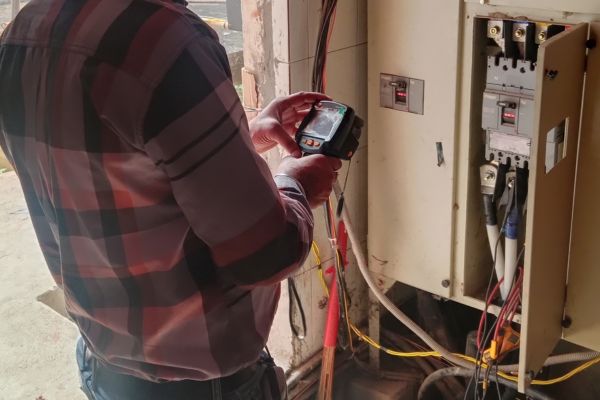
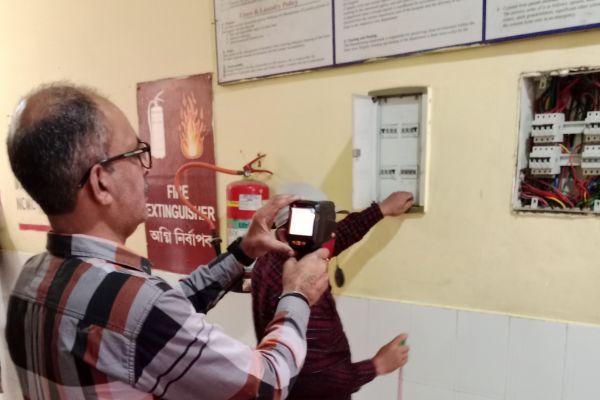
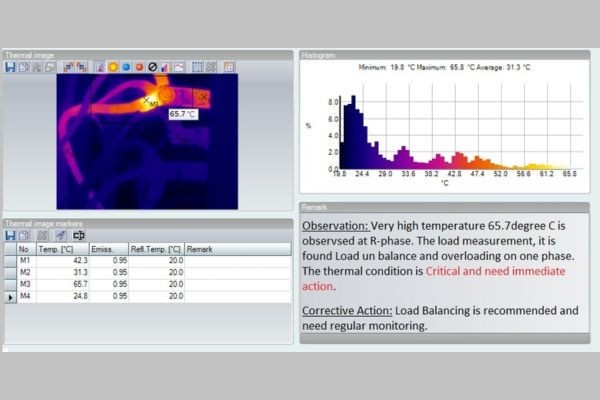
In live electrical installations – panels, busbars, cable joints, circuit breakers – hot spots often develop from loose connections, corrosion, overload or insulation breakdown. A thermographic scan reveals them with precision, so you can schedule tightened connections or replaced parts before fire or failure.
Mechanical Equipment & Machinery
Bearings, couplings, motors, gearboxes – mechanical parts under load develop friction and heat long before they fail catastrophically. Identifying rising temperature trends helps with lubrication, alignment or replacement decisions, minimizing unplanned downtime.
Thermal & HVAC Systems
Ducts, insulation, piping, boilers, furnaces, heat exchangers – all lose performance due to heat loss, leaks or degraded insulation. Thermography helps locate areas of conditioned air leakage and poor insulation, so energy consumption drops and comfort improves.
Building Envelope & Infrastructure
Walls, roofs, windows, doors and joints are often major sources of unwanted heat loss or gain, moisture penetration and structural stress. Thermographic inspection helps identify moisture intrusion, missing or deteriorated insulation, thermal bridging, or façade defects – all hard to see, easy to fix, once identified.
Safety & Critical Facility Monitoring
Data centers, control rooms, power plants, hospitals – all need uninterrupted operations. A small electrical overload or thermal anomaly can threaten uptime or cause major damage. Thermography gives real-time visibility to manage risk, protect assets and ensure safety for personnel and infrastructure.
Infrared Thermography Methodology
Step 1: Planning & Site Survey
Step 2: Equipment Calibration & Standard Compliance
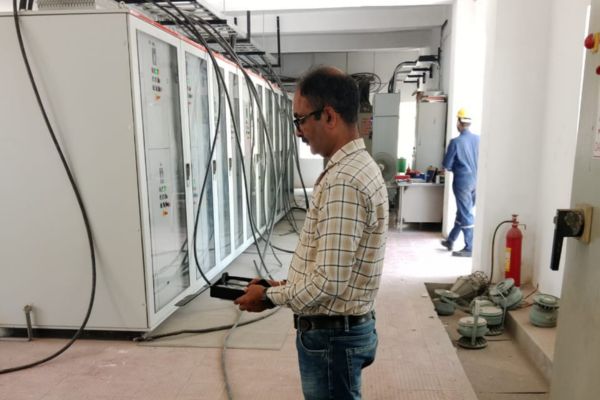
Step 3: On-Site Thermal Imaging Under Load
Step 4:Data Capture & Thermogram Collection
Step 5: Analysis, Reporting & Prioritization
Step 6: Implementation Support & Post-Inspection Follow-Up
Benefits of Infrared Thermography

Early Problem Detection
When an electrical joint is loose or a motor bearing is slightly misaligned, they generate extra heat before visible signs or failure. Thermography spots those “just starting” problems. Fix them on your schedule, not on an emergency call. This converts reactive fixes into proactive maintenance.
Reduced Downtime & Operational Disruption
Because inspections are non-intrusive, you don’t need to shut down equipment. That means less interruption in production, fewer emergency repairs and much more predictability. Facilities that integrate thermography into their maintenance planning often see a drop in unplanned downtime by 30-60%.

Energy Savings & Efficiency Gains
Heat lost because of poor insulation, leakage or inefficient equipment isn’t just waste – it’s money literally going up the walls or through overloaded circuits. Thermography helps you identify those losses. Fixing these often yields measurable savings in energy consumption.

Safety & Risk Mitigation
Overheating components, failing insulation, electrical arcing – all risk fire, explosions, personal harm. Thermography lets you catch hazards before they escalate. It’s not just good practice – in many cases, it’s required by regulation or insurance.

Non-Destructive, Non-Contact Inspections
You don’t need to open up walls, shut down machines or disassemble components. Thermal cameras do their work from a distance. That means speed, safety and reduced disruption. It also means opportunities to inspect parts of systems that were difficult or dangerous before.

Compliance, Standards & Quality Assurance
There are international norms around thermography – such as ISO 18251-1 (system characteristics for IR thermographic equipment) and ISO 10880 / ISO 18434-1 which deal with field testing, vocabulary and general principles. Using certified equipment and following these standards ensures that your thermal inspections are credible, scientifically valid and respected in audits or regulatory scrutiny.
Frequently Asked Questions
For most critical systems – electrical switchgear, large motors, HVAC and boilers – an annual inspection works well. For high-stress or high-duty systems, it may be beneficial to check semi-annually or quarterly. Equipment under extreme load or harsh conditions often reveals changes more rapidly.
No. One of the biggest advantages is that inspections happen while systems are in operation. That helps detect real stresses under actual load rather than only in idle state. Minimal disruption.
Accuracy depends on sensor quality, calibration, environmental conditions (ambient temp, humidity, airflow) and object emissivity. Following ISO standards like ISO 18251 helps ensure that measurements are trustworthy.
Loose electrical connections, overloaded circuits, insulation breakdown, bearing wear, motor misalignment, heat leaks in HVAC systems, moisture intrusion in buildings – all usually alarmed first by anomalous heat patterns.
While upfront cost depends on facility size, complexity, frequency, most clients recover investment via reduced downtime, lower maintenance costs, energy savings and avoided failures. Often ROI is seen within 6-18 months in industrial settings.
Yes. We conform to ISO norms – ISO 18251 series (equipment & performance), ISO 10880 or 18434-1 for thermographic testing of machines, ISO vocabulary standard ISO 10878, etc. This ensures your inspections hold weight in audits / safety compliance.
Need professional consultation?
Get in touch! We are looking forward to start a new association.