 Skip to content
Decarbonization
Decarbonization is the process of reducing and eliminating carbon dioxide (CO₂) and other greenhouse gas emissions from industrial, commercial and energy systems. It plays a critical role in addressing climate change while improving energy efficiency and operational performance.
At Indinsols, we provide practical and technology-driven decarbonization solutions that help businesses reduce their carbon footprint, optimize energy consumption and move toward net-zero emissions. Our approach combines energy expertise, electrical system optimization and advanced sustainability strategies tailored to Indian industries.
Decarbonization also focuses on reducing the carbon intensity of energy production, manufacturing, transportation and other industrial activities. It promotes the transition from fossil-fuel-based systems to sustainable alternatives that support long-term environmental stability and economic growth.
Why Decarbonization Matters?
Decarbonization is no longer optional for businesses operating in today’s cost-sensitive and regulation-driven environment. Rising energy prices, stricter environmental norms and increasing stakeholder expectations are pushing organizations to reduce emissions while improving efficiency. Companies that adopt decarbonization not only ensure compliance but also gain a competitive advantage through lower costs, better performance and long-term sustainability.
The decarbonization program is now widely implemented by global nations thanks to the Paris Agreement, an act adopted in 2015 targeting limiting global warming to 1.5 degrees Celsius from pre-industrial levels. This program is also carried out as a strategy to achieve net zero emission by 2050. India pledged to hit 500 GW non-fossil capacity, meet 50% energy needs via renewables, reduce emissions by 1 billion tons, reduce emissions intensity by 45% by 2030 and reach net-zero by 2070.
This global transition has gained momentum following the Paris Agreement (2015), encouraging countries and industries to adopt structured pathways toward net-zero emissions.
Rising Energy Costs
Efficient energy usage is essential to control operational expenses and improve profitability. Optimizing energy systems helps reduce wastage and ensures long-term cost stability. It also protects businesses from future energy price fluctuations and supply uncertainties.
Regulatory Pressure
Environmental regulations are becoming stricter, making emission reduction a necessity. Proactive compliance helps avoid penalties and ensures smooth business operations. It also prepares organizations for future policies and sustainability mandates.
Market Expectations
Clients and investors increasingly prefer businesses committed to sustainability. Adopting green practices enhances brand value and opens new growth opportunities. It also strengthens stakeholder trust and improves long-term business relationships.
The Need for Industrial Decarbonization
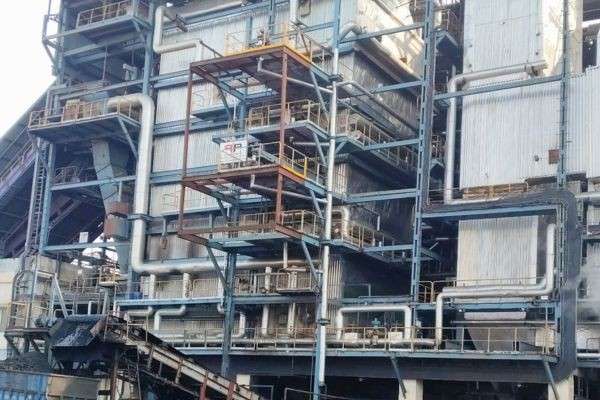
Industrial operations are among the largest contributors to greenhouse gas emissions due to high energy consumption and dependence on fossil fuels. Without a structured approach, these emissions can lead to increased operational costs and regulatory challenges. Decarbonization enables industries to transition toward cleaner, more efficient systems while improving overall performance and competitiveness.
By adopting energy-efficient technologies and optimizing existing processes, industries can significantly reduce energy wastage and improve resource utilization. This not only lowers environmental impact but also enhances operational reliability and cost efficiency. In the long run, a well-planned decarbonization strategy helps businesses stay resilient, future-ready and aligned with global sustainability goals.
In addition, industries today are expected to align with global sustainability benchmarks while maintaining productivity and cost efficiency. Decarbonization helps bridge this gap by integrating cleaner technologies, improving energy intensity and enabling smarter resource management across operations.
Our Decarbonization Methodology
Digital technologies such as IoT, artificial intelligence, and advanced analytics are accelerating decarbonization efforts by providing real-time visibility into energy usage and emissions. These tools enable faster decision-making, improved efficiency and continuous optimization of industrial systems.
A well-executed decarbonization strategy not only reduces environmental impact but also drives innovation, operational excellence and sustainable growth. Businesses that act early will be better positioned to lead in an increasingly carbon-conscious economy.
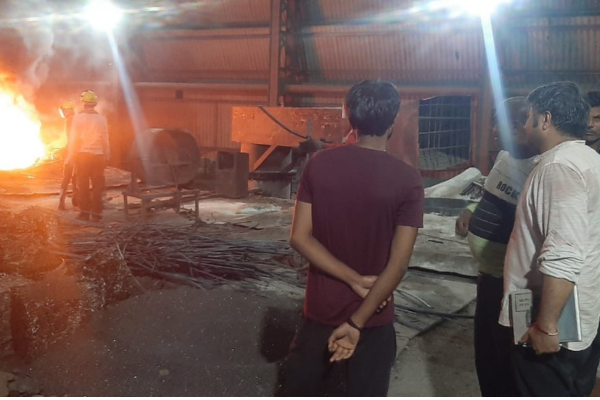
Step 1: Energy & Carbon Assessment
Step 2: Data Analysis & Emission Mapping
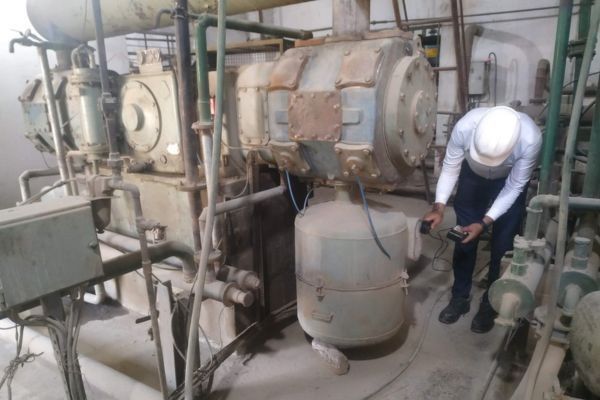
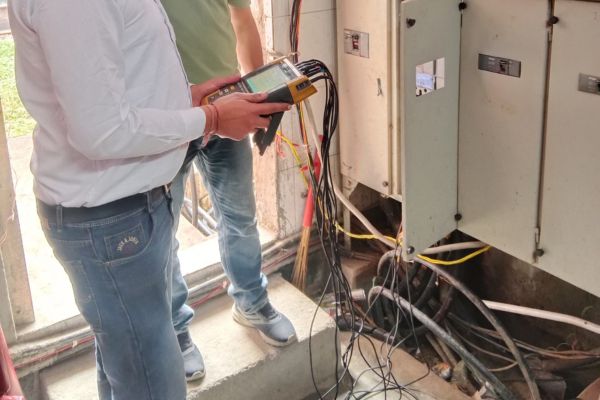
Step 3: Electrical System Optimization
Step 4: Process Efficiency & Technology Upgradation
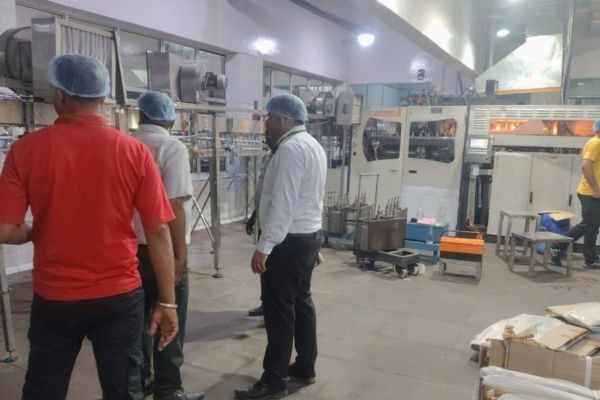
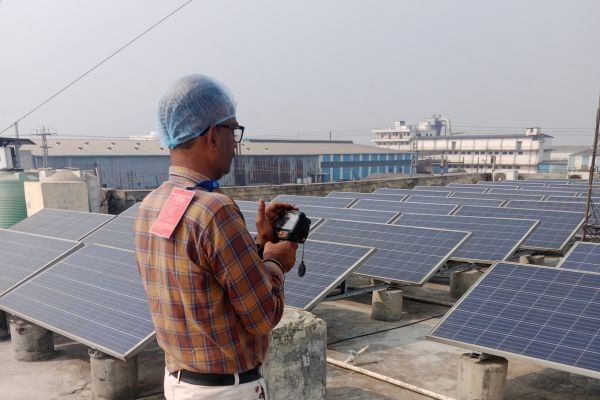
Step 5: Clean Energy Integration
Step 6: Implementation, Monitoring & Net-Zero Planning
Benefits of Decarbonization

Cost Savings
Reduce energy consumption and lower operational costs through efficient systems. Long-term savings are achieved by minimizing energy wastage and optimizing resource utilization.

Improved Energy Efficiency
Optimize power usage and eliminate energy wastage across operations. This leads to better performance of equipment and overall system effectiveness.

Reduced Carbon Footprint
Significantly lower greenhouse gas emissions and environmental impact. This helps your organization contribute to global sustainability and climate goals.

Regulatory Compliance
Meet environmental regulations and sustainability standards with ease. Stay prepared for future policies and avoid penalties or compliance risks.

Enhanced Brand Value
Position your business as environmentally responsible and future-ready. Build stronger trust with clients, stakeholders, and environmentally conscious partners.
Operational Reliability
Improve system performance and reduce downtime through optimized processes. Ensure smooth and uninterrupted operations with better system stability.
FAQs
Decarbonization means reducing carbon emissions by improving energy efficiency and shifting to cleaner energy sources.
It helps industries reduce energy costs, comply with regulations and contribute to environmental sustainability while improving efficiency.
We provide end-to-end solutions including energy audits, system optimization, renewable integration and carbon reduction strategies tailored to your operations.
It is the measurement of total greenhouse gas emissions generated by your operations, helping identify areas for reduction.
Carbon credits are certificates that represent reduced or removed CO₂ emissions, which companies can use to offset their emissions.
It depends on the scale and complexity of operations. Some improvements can be implemented quickly, while others are part of long-term strategies.
Need professional consultation?
Get in touch! We are looking forward to start a new association.
