
Water Audit

Understanding Water Audits – Why They Matter

Water isn’t just another utility bill – it’s a lifeline for every business, community and ecosystem.

Water audit is a methodical check-up on how water comes in, moves through and goes out of a plant. Just as an energy audit identifies power inefficiencies, a water audit reveals the stealthy leaks, quiet losses and profligate practices that quietly drive up costs and compromise long-term water security.


Modern organizations are confronted with escalating tariffs, higher regulations and mounting social pressure to preserve natural resources. Be it a manufacturing unit, an educational complex, a commercial center or a big residential colony, how you utilize and protect water impacts your operational costs, brand image and ecological footprint directly.


At Indona Innovative Solutions, our water audits are much more than a cursory walk-through. We provide data-driven, end-to-end water cycle analysis of your full water journey-totally from source through to ultimate discharge. Through the detection of inefficiencies, quantification of usage patterns and strategic proposals for improvement, we assist you in saving costs, lowering risk and exhibiting genuine environmental stewardship.

An energy audit is the formal review of how energy is consumed (and wasted) in a facility and it creates a baseline for use, identifies prime points of loss, measures them and makes tangible recommendations for minimizing waste and cost.

Aside from expense, there are wider forces driving audits higher on the agenda: regulatory compliance (particularly for large users of energy or “designated consumers” under the Indian Energy Conservation Act), corporate social responsibility and green image, expectations of stakeholders (shareholders, customers) and environmental footprint (carbon, emissions). 

And meeting sustainability goals or renewable energy objectives is difficult without a clear understanding of your existing energy profile. In short, energy audit is no longer just a good practice – it’s often essential for staying competitive, legal and responsible.

Scope of a Water Audit - What We Cover

A meaningful audit examines each step along your water’s path. Our process is meant to be applied, thorough and specific to each client:

Source Analysis

We start by locating every source – groundwater, municipal supply, harvested rainwater or recycled streams and consider each on the basis of reliability, quality and long-term sustainability.

Distribution Mapping

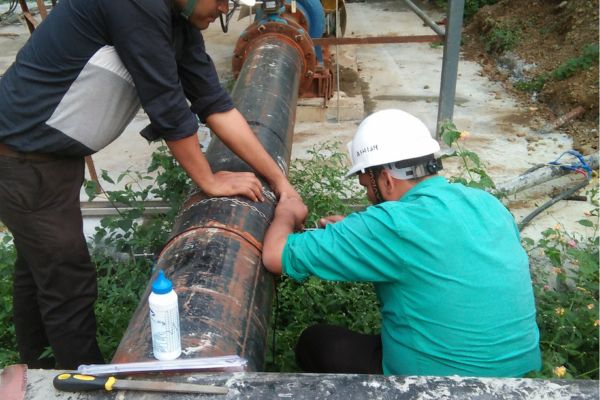
Through detailed flow diagrams and site measurements, we follow water flow through pipes, pumps and tanks. This enables us to detect hidden leaks, malfunctioning valves, pressure losses or poorly operating pumping that may otherwise be undetected.

Usage Assessment

From restrooms to industrial processes, cooling systems to irrigation, we analyze water use throughout the facility to establish correct baselines and identify wasteful practices.

Wastewater Management

Our experts analyze how wastewater is treated, reused or discharged. We evaluate opportunities for recycling, greywater utilization or recovery systems to minimize reliance on fresh sources.

Benchmarking & Compliance

Lastly, we benchmark your facility’s performance against industry best practices and regulatory needs, making sure that you meet or surpass local standards and sustainability targets.

How Indona Innovative Solutions Delivers Results

More than a checklist, a successful water audit is a collaborative process from initial discussion to quantifiable savings. We tailor each audit to the specific footprint of your facility, whether a single commercial building or an expansive industrial campus. Our process is staged in deliberate steps:

Discovery & Goal Setting water audit Indiona

Step 1: Discovery & Goal Setting

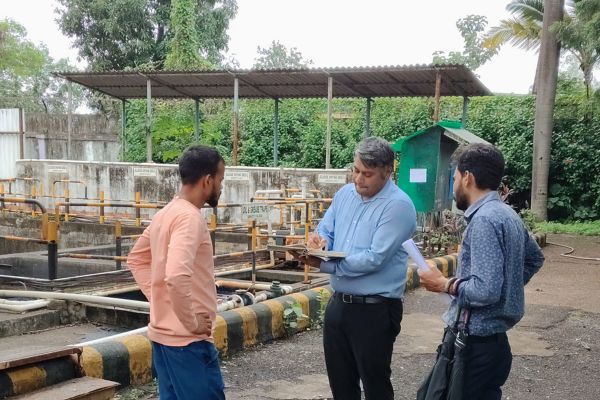
We begin with a detailed conversation to know how water runs through your business on a daily basis and what are the problems you are encountering – soaring utility costs, unpredictable supply or regulatory issues. Historical information including previous water bills, meter readings and production data provide us with a baseline snapshot of current usage. This is not a technical conversation, this is knowing your priorities from cost savings to sustainability goals. The secondary data collected consisted of climate condition, electrical bill data, electrical distribution system, existing metering system, tariff order and subsidy details, electricity consumption pattern, seasonal energy and fuel consumption etc.

Step 2: On-Site Mapping & Smart Data Capture

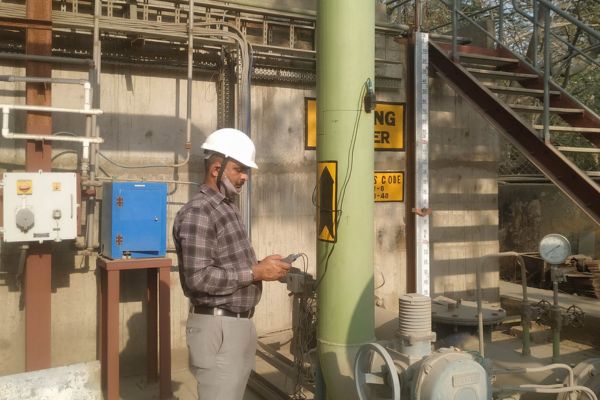
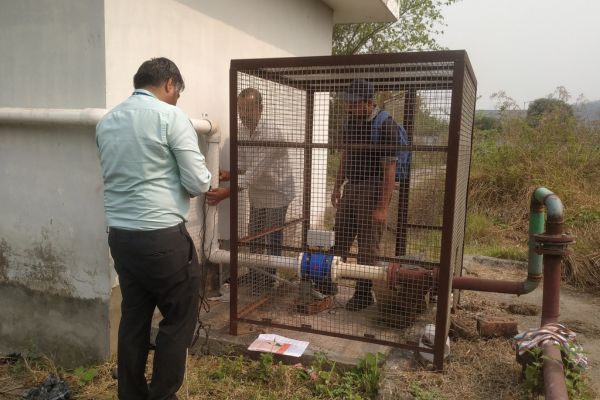
Our engineers next traverse each inch of your facility, placing precision flow meters and ultrasonic leak detectors wherever necessary. We build a real-time “water map” that indicates how each drop of water moves through pipes, pumps, storage tanks and treatment equipment. By integrating physical inspections with digital sensors, we record real-time usage patterns and pressure fluctuations – data much more precise than sporadic manual meter readings.In addition, information like mode of energy distribution, back-up power source etc. are also explored.
On-Site Mapping & Smart Data Capture water audit Indiona
Advanced Analysis & Benchmarking water audit Indiona

Step 3: Advanced Analysis & Benchmarking

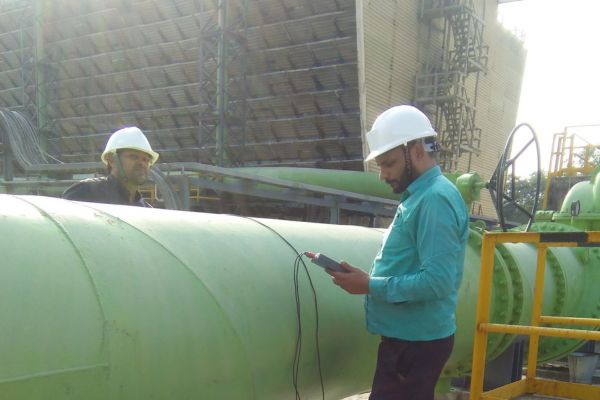
Meanwhile, we take the data back to our analytics hub and run it through sophisticated modeling software. The models expose latent losses, pressure irregularities and inefficiencies that would otherwise remain undetected. We compare your plant’s performance to industry best practices, regional weather conditions and seasonal demand to create an accurate representation of where you are and how far you can go.

Step 4: Actionable Recommendations

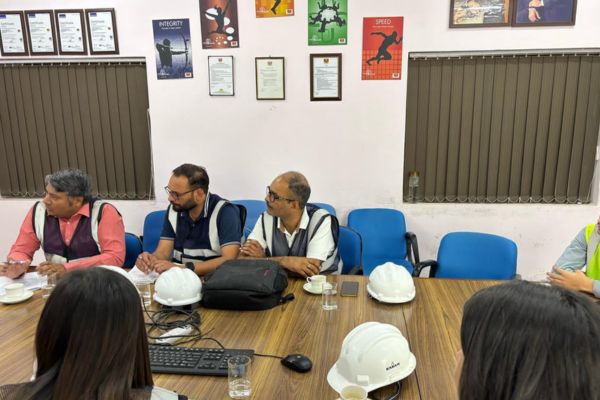
Each facility is unique in its goals and limitations, so our suggestions never fit all. We may recommend a phased leak-repair program for a multifamily complex, greywater recycling for an industrial facility or automated irrigation controls for a college campus. Each solution includes estimated savings, payback time and possible government incentives – so you can understand the cost justification behind each action.
Actionable Recommendations water audit Indiona
Implementation & Training Support water audit Indiona

Step 5: Implementation & Training Support

Instead of dropping you with a report, we remain engaged. We assist you in assessing vendors, manage installation of new hardware and train your employees to maintain and operate the new systems. We create monitoring dashboards so your team can see real-time water data and identify any deviations in real-time.

Step 6: Continuous Improvement

Water management is not a one-off exercise. Numerous clients opt for our yearly review program, whereby we re-audit usage, enhance controls and include new technologies like AI-based leak detection or smart metering. This creates the assurance that savings do not plateau and your facility keeps getting better every year.
Continuous Improvement water audit Indiona

Benefits of a Professional Water Audit

Cost_saving_indona

Substantial Cost Savings

Small leaks or water-wasting fixtures also waste thousands of liters each month. Pinpointing and addressing these problems can usually reduce water consumption by 15-30 percent or save big each year – particularly in buildings with cooling towers, boilers or high process loads.

Industrial_saving_indona

Operational Efficiency and Reliability

Reliable water supply keeps HVAC equipment, manufacturing lines and sanitation processes going around the clock. With efficient water management, you can avoid sudden shutdowns and keep productivity levels high.
Regulatory and Incentive Benefits Indona

Stronger Regulatory Compliance

Utilities and governments are making regulations around water withdrawal and wastewater discharge stricter. Our audits ensure you are ahead of compliance, staying out of trouble and your operating license intact.

Cost_saving_indona

Competitive Edge and ESG Reporting

Investors and customers increasingly favor companies with robust environmental, social and governance (ESG) credentials. Quantified reductions in water use add strength to sustainability reports and build brand reputation.

Industrial_saving_indona

Risk Management and Future Resilience

Knowing your actual water footprint enables you to prepare for droughts, price increases or municipal restrictions. This preparation shields your business from the escalating threats of water scarcity.

Regulatory and Incentive Benefits Indona

Employee & Community Well-Being

Effective water systems translate into cleaner facilities, improved hygiene and enhanced morale. Demonstrating commitment to sustainable water use also generates goodwill among local communities and stakeholders.

Frequently Asked Questions

A comprehensive water audit gives a detailed profile of the distribution system and water users, thereby facilitating easier and effective management of the resources with improved reliability.

Mandatory Water audits are required biennially but annual reviews and continuous monitoring are recommended to sustain savings and compliance.

Yes. Industries extracting more than 100 m³/day of groundwater must conduct a certified water audit every two years and submit the report to the CGWA. Many states also require it for consent-to-operate approvals.

A water balance diagram is a visual, schematic representation of water flow, input and output within a specific system, such as a building, industrial facility or watershed. It maps how water is supplied, consumed and discharged to identify leaks, inefficiencies and conservation opportunities.